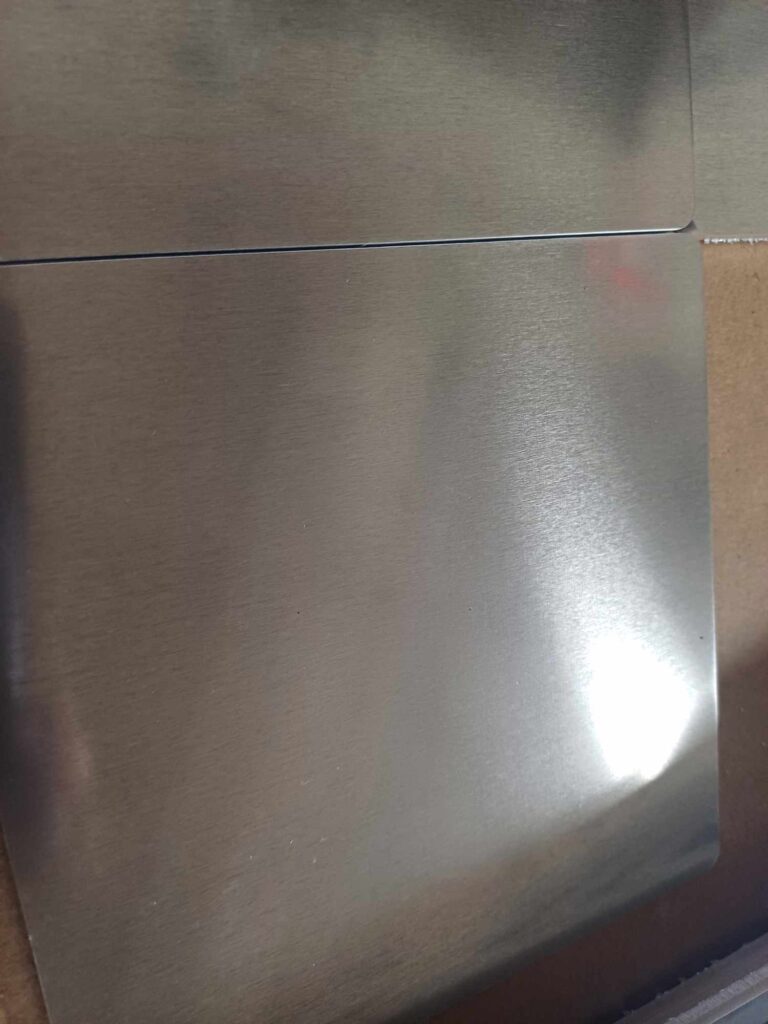
Stainless steel’s resistance to rust and corrosion makes it an excellent choice for many applications, from industrial tools to kitchen appliances. However, it’s sensitive to contamination, which can degrade its quality, appearance, and functionality. To avoid problems like rust, discoloration, or weakened strength, you must take care to prevent contaminants from touching the surface during production, processing, or maintenance. Below are tips to help you avoid contamination of stainless steel in your facility or workspace.
Why Avoid Stainless Steel Contamination?
Contaminating stainless steel can lead to several problems:
- Corrosion: Iron particles or harsh chemicals can initiate rusting or pitting.
- Staining: Grease, oils, or metal dust can cause discoloration, making stainless steel look unclean or damaged.
- Performance Degradation: Contaminants can affect the steel's integrity, especially in medical or food-grade applications where hygiene is paramount.
1. Keep Stainless Steel Clean: Step-by-Step Procedure
One of the best ways to avoid contamination is by keeping your stainless steel clean at all stages. This includes before, during, and after fabrication. Here’s a detailed step-by-step procedure for cleaning stainless steel and keeping it contamination-free.
Cleaning Procedure:
- Step 1: Remove Loose Debris
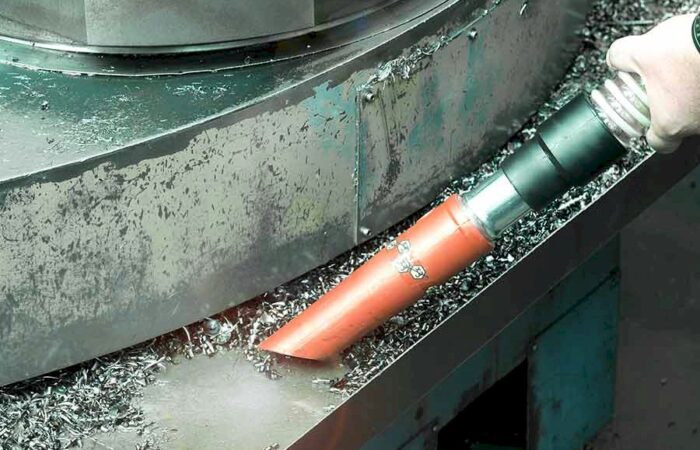
- Avoid Cloth or Brushes: When cleaning stainless steel, it’s important to avoid using cloths or brushes initially, as these can drag metal particles along the surface, creating scratches. Instead, use a vacuum to remove as much loose debris as possible. This ensures that you don’t inadvertently spread contamination across the surface.
- Light Brushing: Once the debris is largely removed by vacuuming, you can gently brush off the remaining particles with a soft, non-abrasive brush. Be careful not to scrub too hard or use abrasive materials, as they could leave permanent marks.
- Step 2: Apply a Non-Abrasive Cleaner
- After brushing, apply a stainless steel cleaner specifically designed for the material. Use it with a soft, non-abrasive cloth. Make sure the cleaner is compatible with your steel type and doesn’t contain any harsh acids, which could cause corrosion.
- Step 3: Rinse and Dry Thoroughly
- After cleaning, rinse the stainless steel with warm water to remove any cleaner residue. Dry thoroughly with a clean, lint-free cloth or towel to avoid water spots.
- Step 4: Apply Protective Coating (Optional)
- For added protection, especially in harsh environments, consider applying a stainless steel polish or protective coating. Not only does this help reduce the buildup of contaminants, but it can also make the surface look more uniform and shiny, giving the stainless steel a polished, sleek appearance.
Warnings:
- What to Avoid:
- Abrasive Scrubbers: Steel wool, scouring pads, and wire brushes are too harsh and can leave permanent scratches on the surface.
- Harsh Chemicals: Avoid using bleach, chlorine, or other acidic cleaning agents, as these can cause pitting or rust formation.
- Excessive Scrubbing: Don’t scrub too hard. The more you rub, the higher the risk of creating micro-abrasions on the steel.
- Harsh Cloths: Never use cloths with rough fibers, as they can damage the surface and leave residues that attract dust.
2. Common Contamination Mediums and How to Prevent Them
Contamination can happen in various ways, especially when different materials are handled together in a manufacturing or fabrication environment. Below are some common contamination sources and how to mitigate them.
Common Contaminants:
- Iron Particles: When using tools made of carbon steel or any ferrous materials on stainless steel, iron particles can transfer to the surface and lead to rust.
- Grease and Oils: Oils from hands, machines, or cutting processes can leave greasy residues that attract dirt or bacteria, leading to surface contamination.
- Metal Dust and Abrasive Particles: Tools like grinders, sanders, and cutting machines can create dust or debris, which can land on stainless steel surfaces and cause contamination or discoloration.
How to Prevent Contamination from These Mediums:
- Color Code Tools: A great way to avoid cross-contamination is to color code your tools based on the materials they’re used on. For example, designate blue tools for stainless steel and red tools for carbon steel. This visual cue helps workers avoid mixing them up.
- Clean Tools Between Metal Types: Make it part of your procedure to clean tools thoroughly before switching between different metals. For example, after using a tool on mild steel, always wipe it down with a clean cloth and non-ferrous cleaner before using it on stainless steel.
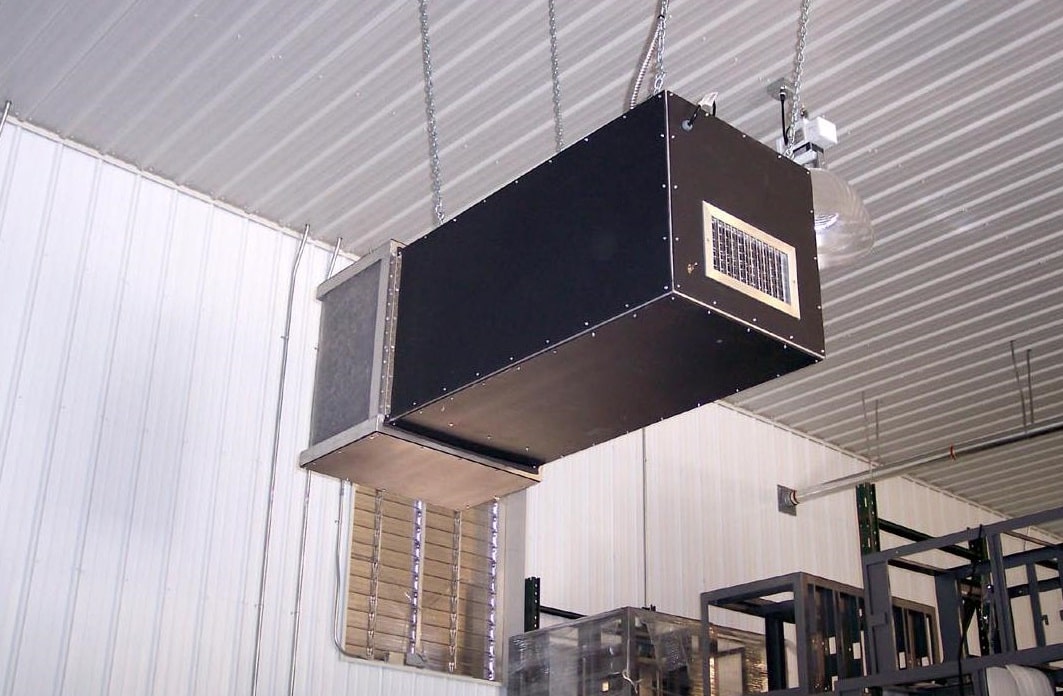
- Avoid Airborne Contaminants: When using tools like grinders, drills, or sanders, fine metal dust can be ejected into the air and land on nearby stainless steel parts. This can lead to contamination if not addressed.
- Tip: Always use dust extraction systems or vacuum attachments when grinding or cutting metals. This helps keep airborne dust particles away from stainless steel surfaces.
- Tip: Where possible, work in an enclosed or controlled environment to limit air contamination.
3. The Importance of Surfaces and Cleaning Between Metal Types
A critical aspect of preventing contamination is being mindful of the surfaces you're working on and the transition between different metal types. When moving from one material to another, such as from steel to stainless steel, contamination risks increase due to the different properties and metal reactions.
What to Do:
- Dedicated Workspaces: Designate specific workstations for stainless steel fabrication and processing to minimize cross-contamination with other materials. Avoid working on stainless steel near iron-based metals like mild steel or carbon steel.
- Surfaces Must Be Clean: Ensure that work surfaces, such as tables, benches, and cutting stations, are free of debris and contaminants before starting any stainless steel work. Use stainless steel-specific cleaning materials and make sure the area is dust-free.
- Regularly Clean Surfaces Between Metal Types: Establish a procedure to clean work surfaces thoroughly between handling different metals. For instance, after working with carbon steel, wipe down the surface before placing stainless steel parts on it. This prevents any iron particles from transferring to the stainless steel.
How to Incorporate Surface Cleaning Into Your Procedure:
- Step 1: Wipe down all surfaces with a clean microfiber cloth before beginning any work.
- Step 2: Use a vacuum or air blower to remove any dust or metal shavings from the workspace.
- Step 3: If the previous task involved a different type of metal, clean the tools and workspace more thoroughly using a degreaser or non-abrasive cleaner.
4. Use Non-Cross-Contaminating Equipment
When handling stainless steel, ensure that tools and equipment are designated for specific tasks to prevent cross-contamination. Tools that come into contact with other metals or chemicals can bring contaminants to the stainless steel surface, leading to problems.
Best Practices for Equipment:
- Tool Separation: Maintain dedicated tools for stainless steel work to ensure there is no transfer of contaminants from other materials. For example, don’t use the same grinder on both mild steel and stainless steel.
- Air Filtration Systems: Install air filtration systems, such as fume extractors or vacuums, to minimize airborne dust and particles when grinding or cutting metals. This keeps the air clean and reduces the chance of contamination from floating particles.
5. Regular Inspections and Maintenance
Even with the best practices in place, contamination can still occur if surfaces are not regularly checked. Regular inspections help catch contamination early before it becomes a more significant problem.
Inspection Checklist:
- Visual Inspection: Regularly check stainless steel for signs of rust, discoloration, or surface defects.
- Surface Texture Check: Use a roughness tester to ensure the surface is smooth and free from abrasive marks.
- Magnet Test: Since stainless steel is non-magnetic, check for iron contamination by using a magnet to see if any particles have been attracted.
6. Train Employees on Proper Handling and Cleaning Procedures
Proper training is essential to avoid contamination of stainless steel during manufacturing and maintenance. Educating employees on the right practices not only ensures cleaner surfaces but also fosters a culture of quality and care throughout the process.
Training Recommendations:
- Educate on Metal Contamination Risks: Employees should be made aware of how contamination happens, whether from handling tools, surfaces, or poor cleaning techniques. Understanding the risks helps prevent careless mistakes.
- Proper Tool Use and Maintenance: Provide training on how to use tools correctly and avoid transferring contamination from other metals. Tools used on steel should never be used on stainless steel without proper cleaning in between. Encourage employees to color-code tools based on the metal they are used for to minimize cross-contamination.
- Surface Cleaning Protocols: Train employees on cleaning procedures for surfaces that come in contact with stainless steel. Implement a procedure to clean work surfaces, tools, and equipment between different metal types to prevent cross-contamination.
- Avoiding Airborne Contaminants: Educate employees about the risks of airborne contaminants, especially from grinders and other machinery. The dust from these tools can easily settle on nearby stainless steel surfaces. Training should include strategies like using barriers, proper ventilation, and reducing air contact with stainless steel when possible.
- Encourage Consistency: Make sure all team members understand the importance of consistency in following cleaning and handling protocols. Regular audits or refresher courses can help maintain high standards.
Why It’s Important:
- Prevents Costly Mistakes: Contamination leads to defects and rework, which can be costly. Well-trained employees are less likely to make mistakes that result in stainless steel contamination.
- Improves Product Quality: Consistent handling and cleaning procedures ensure that your products meet quality standards, giving you a competitive edge in the market.
- Boosts Workplace Efficiency: By eliminating contamination risks, you reduce delays and the need for extensive rework, leading to smoother operations and higher productivity.
By training employees and embedding good practices into your company culture, you help safeguard the quality of your stainless steel products and protect the integrity of your manufacturing process.
Conclusion
Avoiding stainless steel contamination is essential to maintaining its durability, aesthetic appeal, and functionality. By adopting procedures for cleaning, using the right tools, preventing airborne dust, and keeping surfaces clean between metal types, you can protect your stainless steel from damage and degradation.
Following these tips and being proactive about cleanliness can extend the life of your stainless steel products and ensure they perform as expected in demanding environments.

 Stainless steel’s resistance to rust and corrosion makes it an excellent choice for many applications, from industrial tools to kitchen appliances. However, it’s sensitive to contamination, which can degrade its quality, appearance, and functionality. To avoid problems like rust, discoloration, or weakened strength, you must take care to prevent contaminants from touching the surface during production, processing, or maintenance. Below are tips to help you avoid contamination of stainless steel in your facility or workspace.
:max_bytes(150000):strip_icc()/how-to-clean-metal-surfaces-5186795-11-345c5a9806554700a2eef4532ccfa1a3.jpg)